Tooling without training
Most engineers learned agents on the job. They know the interface, not the operating model behind the harness.
AI engineering training
Two hands-on formats for software teams that need better context-window discipline, fewer blind agent loops, lower token waste, and stronger engineering review.
The problem
Most engineers learned agents on the job. They know the interface, not the operating model behind the harness.
Oversized prompts, vague tasks, and polluted context windows make the model expensive before they make it useful.
If nobody can explain when to stop the assistant, the cost curve becomes the first visible signal of lost control.
Token consumption is the worst metric software engineering could optimize for.
Who decides
Governance goals
Formats
Custom intra-company workshop
A hands-on training path for cohorts of 10 to 15 software engineers, adapted to your use cases, stack, codebase reality, and delivery rituals.
Internal masterclass / meetup
A 3-hour on-site session to create a shared wake-up call, align engineers on good AI usage, and introduce controlled context discipline.
Decision point
We map your team size, current AI usage, and delivery pain to the right entry point.
Signals




Method
Identify where assistants help, where they hide rework, and where teams have no shared operating rules.
Teach how context windows, prompts, skills, tools, agents, and thinking tokens actually shape output quality.
Engineers work on realistic flows: debug, refactor, feature work, tests, review, validation, and stopping criteria.
The team leaves with habits managers can inspect and engineers can apply after the session.
Your instructors
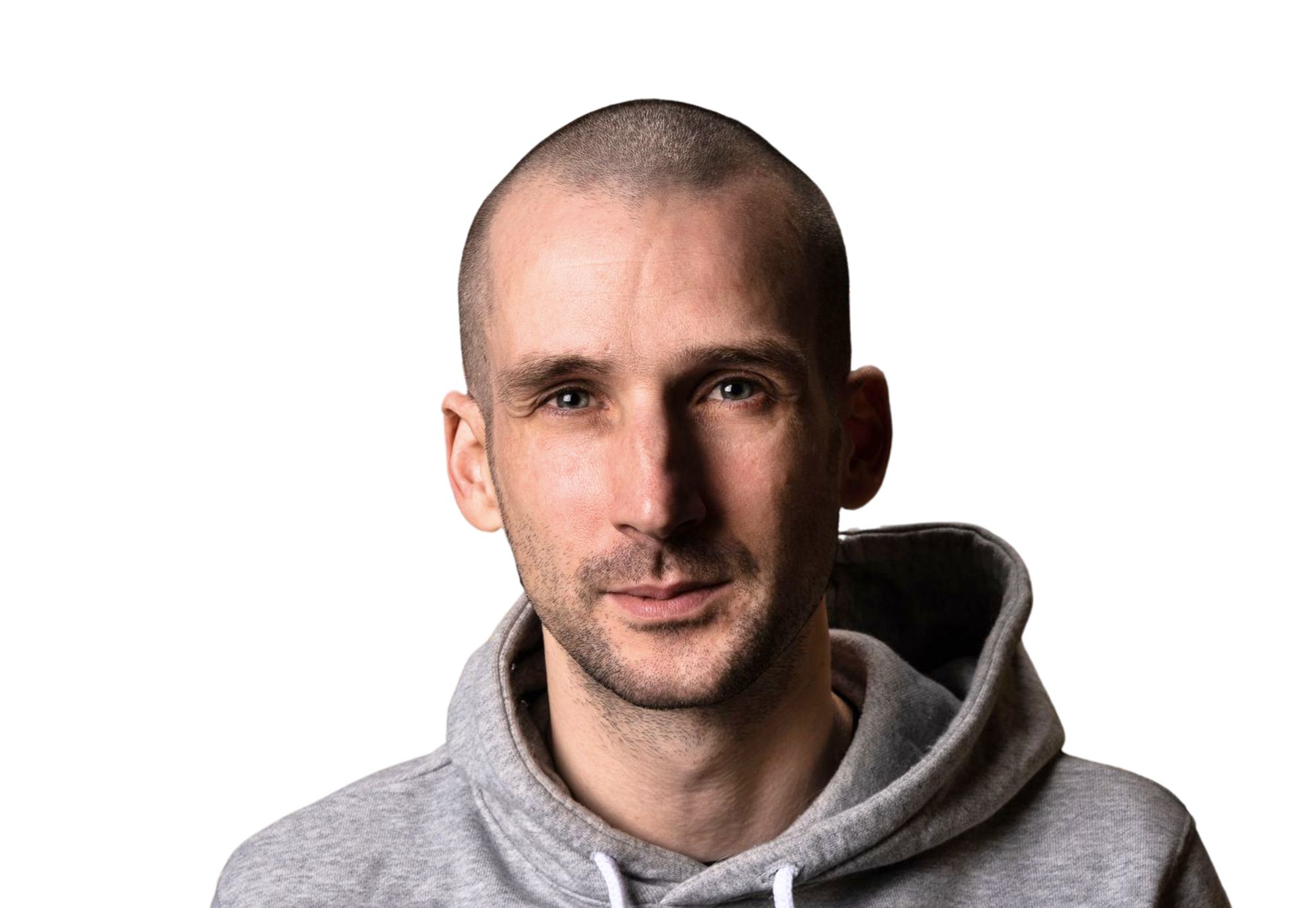
Manuel Odendahl
AI engineering practitioner, remote from the US for demos.
25-year software veteran specializing in embedded and systems programming. Manuel spoke at AI Engineer on LLMs for the working programmer and has used LLMs intensively in day-to-day engineering since 2022.

Pierre Vannier
On-site facilitator, room lead, and engineering workflow coach.
Software engineer, entrepreneur and CEO of Flint, Pierre has spent 25 years helping tech teams improve engineering practices. He co-founded the Montpellier GenAI meetup, a community of more than 1,300 members.
Next step
We qualify team size, current AI tools, maturity, delivery pain, decision makers, and whether the right entry point is a workshop or a masterclass.
Bring five facts: team size, AI tools in use, main delivery pain, target date, and who sponsors the initiative.
Request the intake